Carolina snailseed (Cocculus carolinus):

Climbing dogbane (Trachelospermum difforme):

Smilax bona-nox:

Poison Ivy (Toxicodendron radicans):


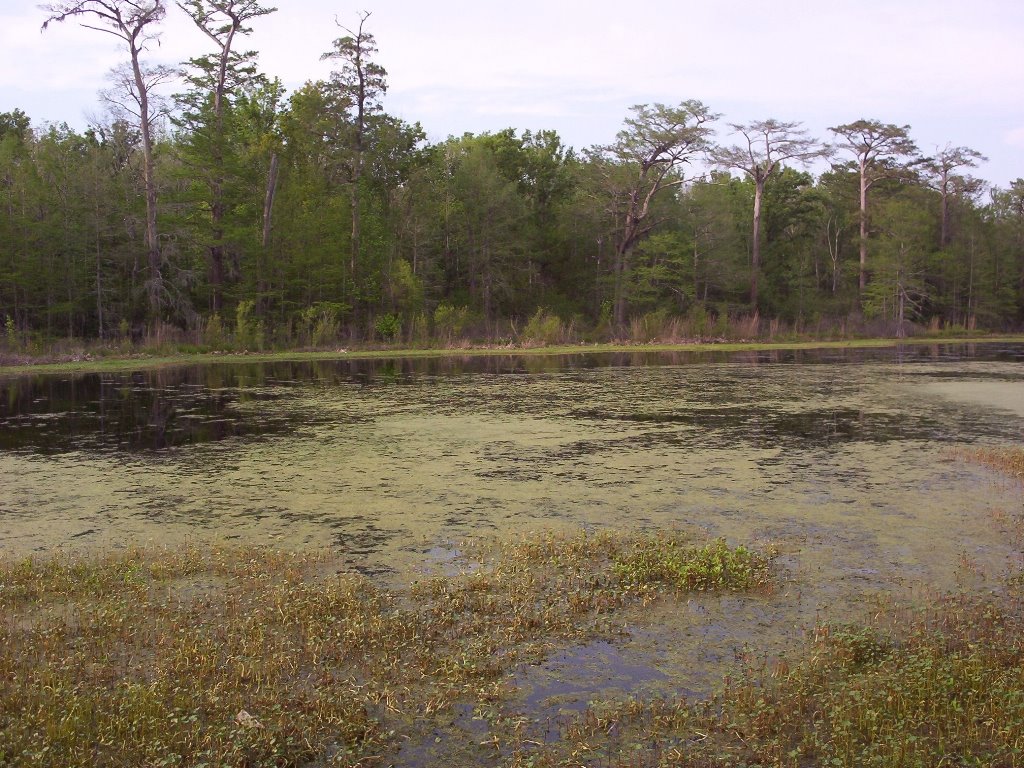
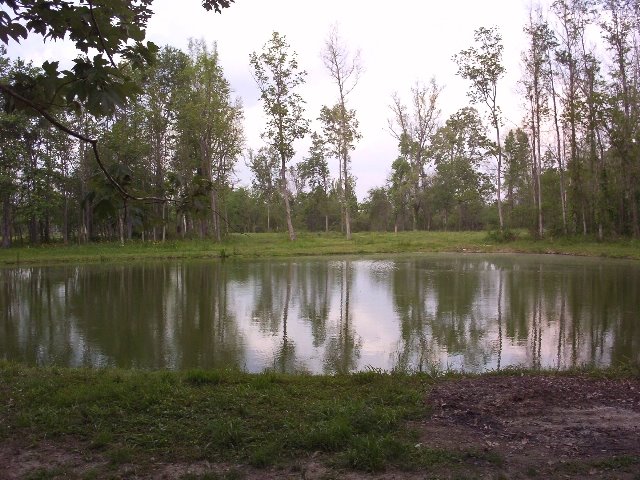
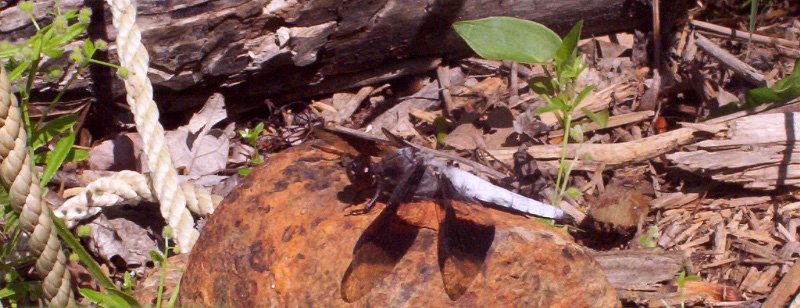 Now that everyone has been formally introduced, we can focus on the sightings/findings of the weekend. Around the pond, dragonflies ruled the air: common whitetails (above) were most abundant, with fewer numbers of eastern pondhawk, blue dasher, common green darner & black saddlebags. I did notice one female Amanda's pennant. On the first night, we found a few water scorpions and one water measurer. That night, while patrolling the edge of the pond, I found a young mud snake consuming a bullfrog tadpole in the water. I wanted to capture the snake and get measurements, but before I could even consider the snake being disrupted from its meal, it submerged-meal and all.


 Small snakes! Boy, are they cool! I must say, a lot of my friends growing up that were into reptiles with me were not very interested in these little guys. Except one; my friend Eric Guidry. He turned me on to the small snakes by showing me pictures of ring-necked snakes (seen in picture above). I have to say, in all my years looking for amphibians and reptiles, I have only come across three of these beautiful little gems. The first time was in Pass Christian, MS at a relative of Eric's out in the country. That was 1991. It was a long time until I saw my second, which was a solo discovery in Mandeville, LA in a small woodlot near one of my uncle Scott Boudreaux's previous residences. I walked into the woodlot and immediately saw lots of boards and siding laying around. "Alright!" I thought to myself, "this place ought to be crawling with stuff" (no pun intended). The first piece of cover I flipped was an old sign, and lo and behold; there was a 3" ring-necked snake! What a beauty!!! I was so pleased with this find, that I decided to hold onto it and show it off to some friends. Oh...and for those who are wondering, I also turned up a pregnant* Eastern garter snake and several ground and five-lined skinks. *You will notice I used the term "pregnant" here because snakes of the genus Thamnophis (garter, ribbon snakes) are vivaporous, or give birth to live young. Snakes that lay eggs are referred to as oviporous, and when they are carrying eggs, are referred to as "gravid".
 ars back, so naturally that was the first thing to come to mind. However, when I got over to where she was standing, there was this small (ca. 3.5") snake in the grass. It turned out to be a red-bellied snake! My first one ever! (at right)
So, in closing, when out flipping cover looking for that "fantastic find", don't forget to look for these sometimes hard-to-find little guys of the serpent world. I think you'll be amazed how beautiful something so small can be.
James


 one of my favorite snakes. Since moving to Acadiana, I have found several of these beauties, mostly on the Zoo of Acadiana's grounds. Typically, a normal find would measure no more than 10-12". I was constantly wondering..."where were all the adults!?". All of these little guys were still sporting their yellow tips to the tails. As some of you already know, the young snakes use these colorful tips as lures, mocking small worms to entice prey species to approach closer. As the older the snake gets, it loses the need for this strategy, and thus loses the yellow-tipped tail. Other members of this genus such as cottonmouths (or water moccasins), A. piscivirous, also employ this technique. I once found what appeared to be a subadult copperhead in the Sandhill Crane exhibit. Evidently, the birds had their way with the snake, as there was only about 1/4 of the animal left intact. Judging by the size of the head and what remained behind the neck, I estimated this snake to be roughly 20".